Tantalizing Topaz by Laura Ramsey

Topaz 2To be born in November and to know that your birthstone is the long loved Topaz creates a certain pleasure. This special gem with its varying colors is my birthstone, so I can speak from knowledge.

As young travelers to Brazil, John and I were some of the first gem dealers to bring back Imperial Topaz in larger wholesale quantities. I remember vividly our first encounter with a large parcel of gem Imperial Topaz rough and thinking “what a marvelous, passionate color it is.”  Of course when buying gems, showing enthusiasm is not permitted (i.e., poker face!) and I remember how difficult it was to curb my enthusiasm. This is the emotion that came from seeing this rich red orange color in gloriously large natural crystals.

Continue reading

Birthstone Spotlight: October Tourmaline by Laura Ramsey

Tourmaline colors

October brings us the dazzling colors of fall… burning oranges, vivid reds, blue greens and golden yellows—all colors that amaze and delight us. So it is with the birthstones for October, Tourmaline and Opal. Lucky you, October baby… you have your choice of both! This blog post will focus on Tourmaline.

With its many arrays of color, upwards of over 100 easily discernible colors, Tourmaline has fast become quite a favorite gem. It mirrors falls colors and then some with its’ Orange Tourmaline from Africa, Blue Green Tourmaline from Brazil and Rubellite Red Tourmaline from Nigeria and Brazil. Tourmaline even blends colors within a crystal creating what we call watermelon tourmaline because of its red and green combination. Party color tourmalines are just that…a happy party of subtle variations of color! Selecting just one color that is your favorite will be quite the challenge.

Continue reading

Scintillating Sapphire by Laura Ramsey

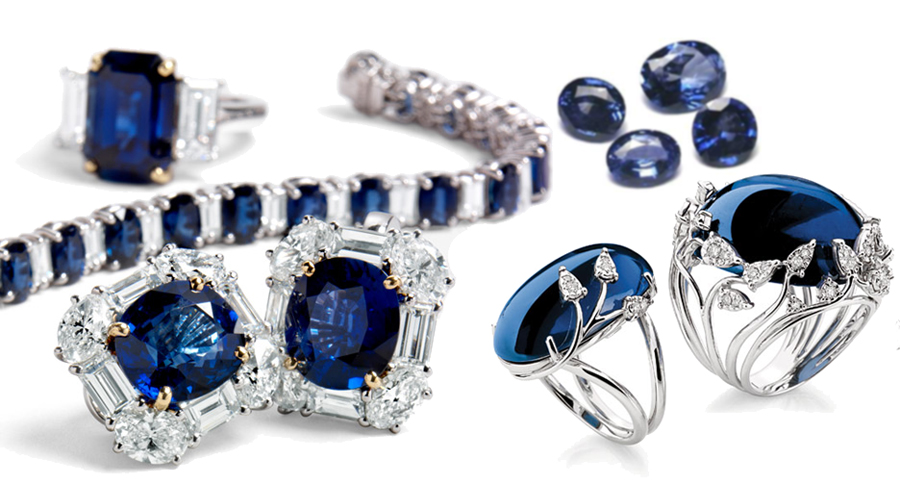
sapphire jewelry

In addition to the Greek word mentioned in our last year’s blog post about sapphires, the Latin word “Saphirus” also means blue. With so many words in English having either a Greek or a Latin origin, it’s no wonder that with both Green and Latin having a sound-alike name for sapphire, that we wound up with “sapphire” in the English language.

Blue corundum called sapphire has been collected by many over the centuries. Let’s take a look at some famous ‘Saphirus’ together…

Continue reading

Peridot – Its Ancient Beginnings

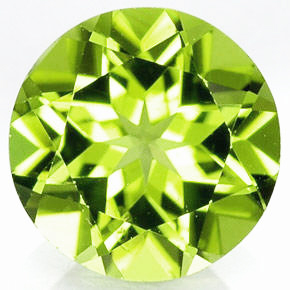
PeridotOften known in Hawaii as the tears of the Goddess Pele, Peridot has a noble and ancient beginning. The name Peridot is derived from the old French word “peritot”, meaning gold. So let us see how far back in time we have to travel in order to trace the beginning of this golden green gem…

It is believed that peridot, originally called “Chysolite” before the advent of scientific gemology, was mined over 3500 years ago in Egypt. The mysterious St. John’s Island (a.k.a. Zeberget) produced what the Egyptians called ‘the gem of the sun’. The island was often shrouded in fog and its location was often a mystery.

Zeberget EgyptZeberget, photo courtesy of lms_namaste on flickr.com

Continue reading

Birthstone Spotlight: June Alexandrite

natural_faceted_alexandriteThose born in June are lucky to have their choice of three birthstones: Alexandrite, Pearl and Moonstone. This year, we’d like to focus on Alexandrite… the most rare of all the birthstones.

For years, gemology students have been taught that Alexandrite was the rarest of all gemstones (whether or not this is the current teaching, it was taught for many years). Perhaps today, the better statement is that Alexandrite is the rarest of the birthstones. In any case Alexandrite is a very rare gem, for many of the same issues that Emerald has. Let us explain…

Continue reading

Birthstone Spotlight: May Emerald

EmeraldsIf May is your birth month, you have one of the most rare birthstones of all: Emerald.

To understand your birthstone, it’s important to know what it’s made of. Emerald is a variety of the mineral Beryl, with a vibrant green color due to the presence of Chromium. (There has been an addition to “emerald” of green gems colored by Vanadium but the classic emerald look comes from Chromium-rich beryl.)

Continue reading

Diamonds – A Short History

alluvial deposit diamonds

The Bakerville alluvial diamond deposits in the Lichtenburg Diamond Fields, South Africa (image courtesy of IGE Resources AB)

We will never know which of our ancestors first interacted with diamonds or what they thought of them. However it seems that some of the earliest mining of diamonds occurred as many as 3,000 years ago, where humans began mining in alluvial deposits in Southern India. What’s an alluvial deposit?

Continue reading

Amethyst – Its Ancient History

Amethyst ovalAmethyst’s Story of Color and Majesty… From Royal Dye to Royal Jewelry

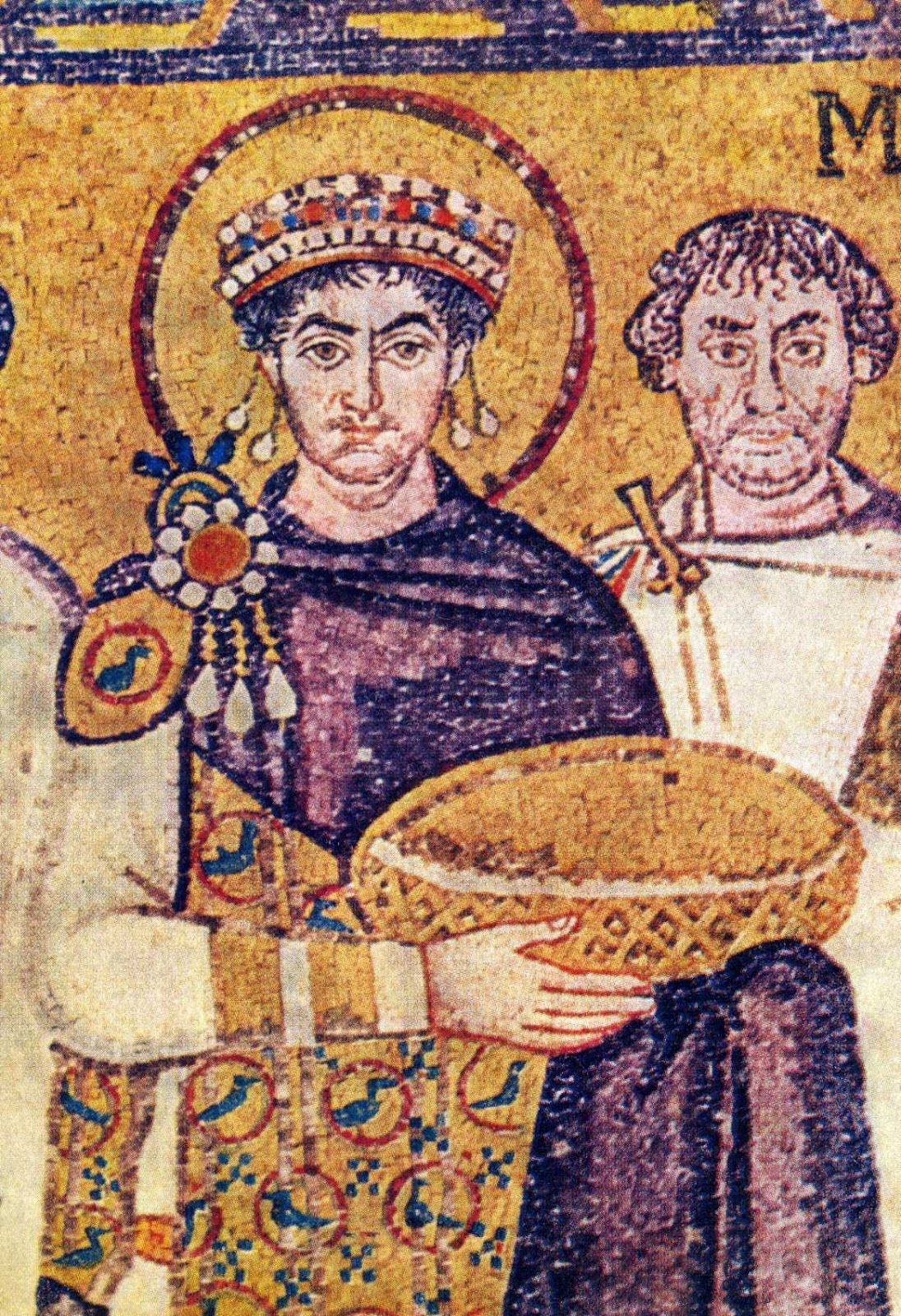
In the medieval city of Tyre, in ancient Phoenicia, a purple dye was derived from the mollusks found on its shores. In a legend, Heracles is thought to have given a piece of cloth dyed and stained in this purple color to the King of Phoenix who declared it to be the new Royal color. It became known as Tyrian Imperial purple.

Amethust robe rome

In stark contrast to its elegant end use, the dye was derived from the secretions of the rotting mollusks—with a smell so bad that only certain areas of the coast, far away from civilization, were used.

Just one Roman toga could take up to 10,000 mollusks to dye the robe. As a result, the production of rare and expensive purple dye was funded and controlled by royals, making it exclusive to leaders such as Alexander the Great and Roman Emperors. The penalty for wearing purple could include fines, property seizure and sometimes death. As Theopompus, a 4th century historian said, “Purple dye fetched its weight in silver at Colophon”.

Continue reading

Birthstone Spotlight: January Garnets

Garnet ring

Garnets are actually a group of minerals that have a lot in common. As the world becomes more and more gem-savvy, more people are coming to know the wonders of garnet.

First of all, garnets are all silicate minerals and crystallize in the isometric crystal system (also known as the cubic crystal system). The most common crystal form within the isometric system in which Garnets form is a “rhombic dodecahedron:” a 12 sided form that is somewhat of a cube with fanciful flourishes. While a true cube has 6 sides, garnets add another 6 just for fun.

Continue reading

Beau Sancy Diamond Sells for a Record Ten Million

With no less than 5 bidders competing for the gem the tense battle lasted no longer than 8 minutes before the gavel sounded. David Bennett, Chairman of the Jewelry Department at Sotheby’s in Europe (who was privileged to handle the sale) said, “ The Beau Sancy is one of the most fascinating and romantic gems ever to appear at auction…”

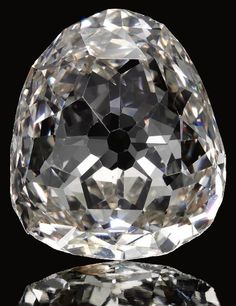
Beau SancyOften known as the ‘little’ Sancy, the Beau Sancy diamond was the smaller of the two diamonds bearing the name. This smaller version weighs in at a “mere” 34.98 carats. It is a modified pear double rose cut diamond which has been witness to 400 years of European history. It has been passed down to Royal families of England, France, Prussia and the House of Orange. Acquired by Nicolas de Harlai, Lord of Sancy, in the late 1500’s , the Sancy is said to be from the mines of south central India near Golconda. This famous mine has produced the Hope Diamond, the Koh-I-Noor and the Regent.

Continue reading