John and Laura Ramsey on Alexandrite

alexandrite

Pearl is a great birthstone for June but Alexandrite is the excitement. With the advent of Chinese fresh water pearls, pearls have become almost too available. On the other hand, true, natural Alexandrite is, and will seemingly always be—rare and hard to find.

Currently the most available and yet quite nice material is from India, from the state of Andhra Pradesh. The color change can be quite nice and yet quite affordable by comparison with material from Russia or Brazil.

Be sure any Alexandrite you buy, of significant size or price, has been certified by a properly accredited appraiser or gemologist. For more information on Alexandrite, click here to read our previous blog post.


Follow us on Facebook >

© Ramseygems.com, Inc., 2014. Unauthorized use and/or duplication of this material without express and written permission from John and Laura Ramsey is strictly prohibited. Excerpts and links may be used, provided that full and clear credit is given to johnandlauraramsey.com with appropriate and specific links back to this original content.

Emerald’s Whole Family is Fun

OLYMPUS DIGITAL CAMERA

Emerald is a variety of the mineral beryl. Emerald is the vibrant green variety of beryl usually colored by Chromium. In other colors beryl has other names. The blue color for beryl is aquamarine. Pink and peach beryl is Morganite (as shown in the photo above, featuring Morganite in its rough-uncut form, straight from the mine). Yellow and golden beryl is heliodor. Red beryl is Bixbite and so far has only been found in Utah. Colorless beryl is called Goshenite.

Chemically, beryl is a Beryllium-Aluminum Silicate. As mentioned, emerald gets its green color from Chromium. There has been an addition to “emerald” of green gems colored by Vanadium but the classic emerald look comes from Chromium rich beryl. Interestingly, the red in ruby is caused by Chromium as well. Emerald is a type 3 gemstone according to GIA terminology and therefore can be expected to have eye visible inclusions.

To read more about the history of Emerald, click here >


Follow us on Facebook >

© Ramseygems.com, Inc., 2014. Unauthorized use and/or duplication of this material without express and written permission from John and Laura Ramsey is strictly prohibited. Excerpts and links may be used, provided that full and clear credit is given to johnandlauraramsey.com with appropriate and specific links back to this original content.

John and Laura Ramsey Talk About Emeralds

Columbian emeralds rawWith emerald being the birthstone for May, it is always fun to get back into thinking of emerald green and the renewal of spring.

The appreciation of emerald goes back centuries. Holy scriptures of East Indian by the Vedas wrote in Sanskrit of emeralds and their promotion of good luck and good health.

While emeralds are appreciated the world around, certain cultures prize them more than others. As spring unfolds here in the Pacific Northwest it is easy to appreciate the color green and the gem world’s best known representative of green: the emerald.

Learn all about emeralds in one of our previous blog posts >


Follow us on Facebook >

© Ramseygems.com, Inc., 2014. Unauthorized use and/or duplication of this material without express and written permission from John and Laura Ramsey is strictly prohibited. Excerpts and links may be used, provided that full and clear credit is given to johnandlauraramsey.com with appropriate and specific links back to this original content.
Birthstone Spotlight: December Tanzanite, Zircon, or Turquoise

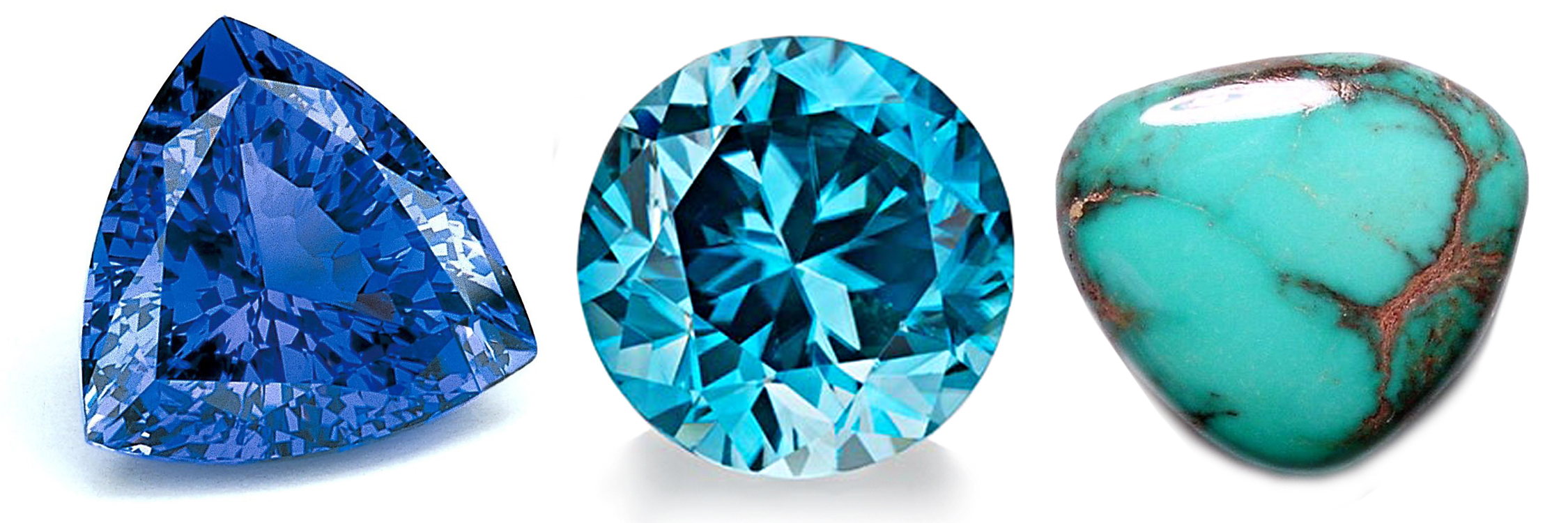
tanzanite blue zircon turquoise december birthstone

Having a December birthdate I’ve always been interested in the birthstone for my month. My first experience with a birthstone came from my dad’s trip to Texas back in the way back day. He stopped in Arizona along the way and bought me a turquoise ring. Wow! That was cool. I don’t remember the year but it was a number of decades ago. I am guessing I was all of 6 years old or so. It was a cool ring in the Southwest Native American style. I began to learn about birthstones.

The tradition I was taught as a young person was that December had two birthstones: zircon and turquoise. Well that tradition has had some issues.

Continue reading

Tantalizing Topaz by Laura Ramsey

Topaz 2To be born in November and to know that your birthstone is the long loved Topaz creates a certain pleasure. This special gem with its varying colors is my birthstone, so I can speak from knowledge.

As young travelers to Brazil, John and I were some of the first gem dealers to bring back Imperial Topaz in larger wholesale quantities. I remember vividly our first encounter with a large parcel of gem Imperial Topaz rough and thinking “what a marvelous, passionate color it is.”  Of course when buying gems, showing enthusiasm is not permitted (i.e., poker face!) and I remember how difficult it was to curb my enthusiasm. This is the emotion that came from seeing this rich red orange color in gloriously large natural crystals.

Continue reading

Birthstone Spotlight: October Tourmaline by Laura Ramsey

Tourmaline colors

October brings us the dazzling colors of fall… burning oranges, vivid reds, blue greens and golden yellows—all colors that amaze and delight us. So it is with the birthstones for October, Tourmaline and Opal. Lucky you, October baby… you have your choice of both! This blog post will focus on Tourmaline.

With its many arrays of color, upwards of over 100 easily discernible colors, Tourmaline has fast become quite a favorite gem. It mirrors falls colors and then some with its’ Orange Tourmaline from Africa, Blue Green Tourmaline from Brazil and Rubellite Red Tourmaline from Nigeria and Brazil. Tourmaline even blends colors within a crystal creating what we call watermelon tourmaline because of its red and green combination. Party color tourmalines are just that…a happy party of subtle variations of color! Selecting just one color that is your favorite will be quite the challenge.

Continue reading

Scintillating Sapphire by Laura Ramsey

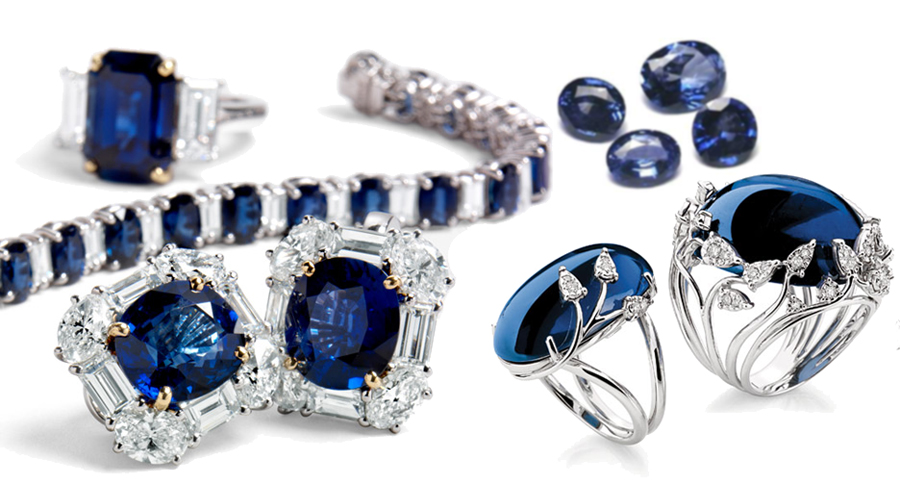
sapphire jewelry

In addition to the Greek word mentioned in our last year’s blog post about sapphires, the Latin word “Saphirus” also means blue. With so many words in English having either a Greek or a Latin origin, it’s no wonder that with both Green and Latin having a sound-alike name for sapphire, that we wound up with “sapphire” in the English language.

Blue corundum called sapphire has been collected by many over the centuries. Let’s take a look at some famous ‘Saphirus’ together…

Continue reading

Birthstone Spotlight: June Alexandrite

natural_faceted_alexandriteThose born in June are lucky to have their choice of three birthstones: Alexandrite, Pearl and Moonstone. This year, we’d like to focus on Alexandrite… the most rare of all the birthstones.

For years, gemology students have been taught that Alexandrite was the rarest of all gemstones (whether or not this is the current teaching, it was taught for many years). Perhaps today, the better statement is that Alexandrite is the rarest of the birthstones. In any case Alexandrite is a very rare gem, for many of the same issues that Emerald has. Let us explain…

Continue reading

Birthstone Spotlight: May Emerald

EmeraldsIf May is your birth month, you have one of the most rare birthstones of all: Emerald.

To understand your birthstone, it’s important to know what it’s made of. Emerald is a variety of the mineral Beryl, with a vibrant green color due to the presence of Chromium. (There has been an addition to “emerald” of green gems colored by Vanadium but the classic emerald look comes from Chromium-rich beryl.)

Continue reading

Amethyst – Its Ancient History

Amethyst ovalAmethyst’s Story of Color and Majesty… From Royal Dye to Royal Jewelry

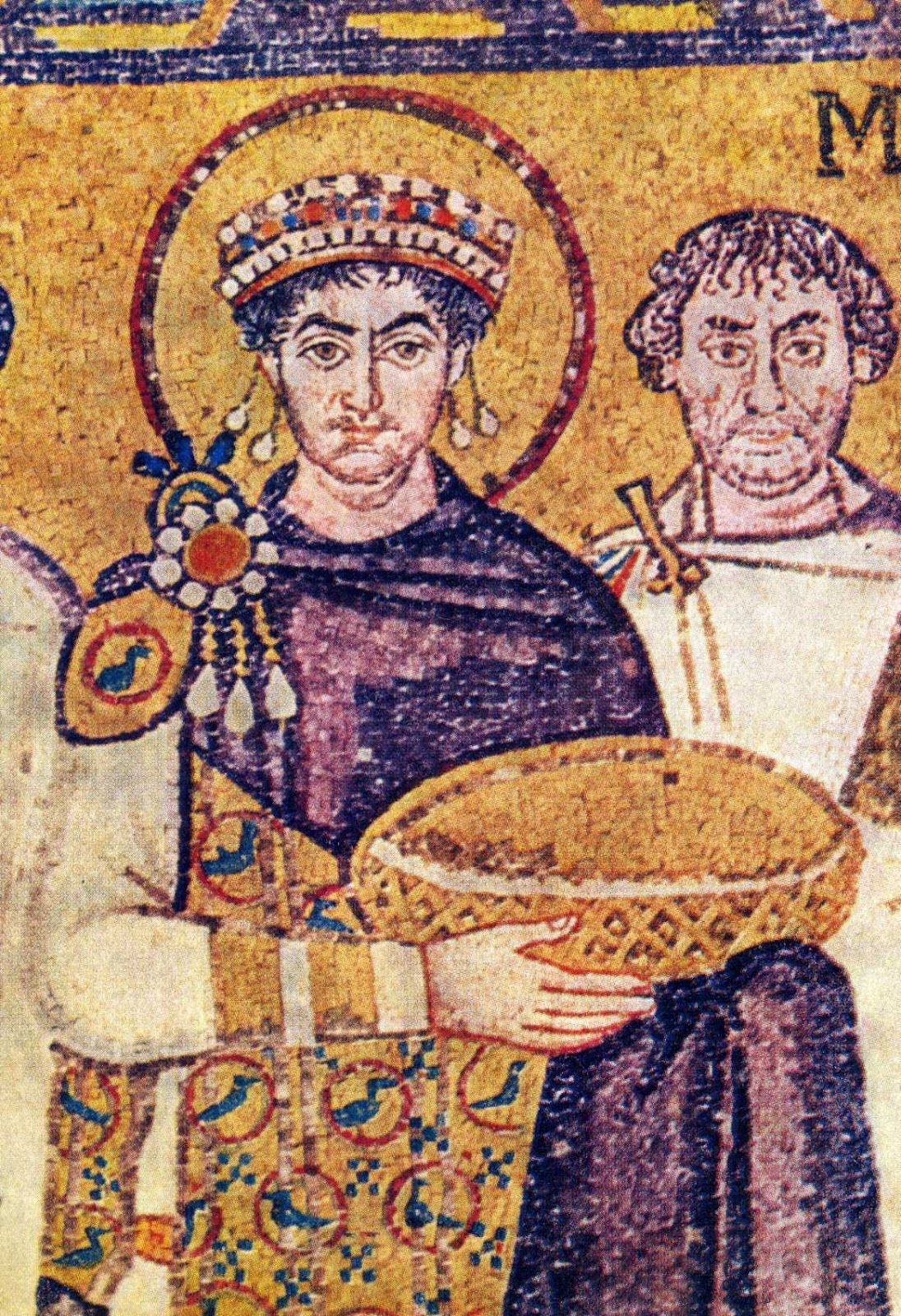
In the medieval city of Tyre, in ancient Phoenicia, a purple dye was derived from the mollusks found on its shores. In a legend, Heracles is thought to have given a piece of cloth dyed and stained in this purple color to the King of Phoenix who declared it to be the new Royal color. It became known as Tyrian Imperial purple.

Amethust robe rome

In stark contrast to its elegant end use, the dye was derived from the secretions of the rotting mollusks—with a smell so bad that only certain areas of the coast, far away from civilization, were used.

Just one Roman toga could take up to 10,000 mollusks to dye the robe. As a result, the production of rare and expensive purple dye was funded and controlled by royals, making it exclusive to leaders such as Alexander the Great and Roman Emperors. The penalty for wearing purple could include fines, property seizure and sometimes death. As Theopompus, a 4th century historian said, “Purple dye fetched its weight in silver at Colophon”.

Continue reading